A Natural-Feeling Graphics Asset for Tumbler Wraps and More
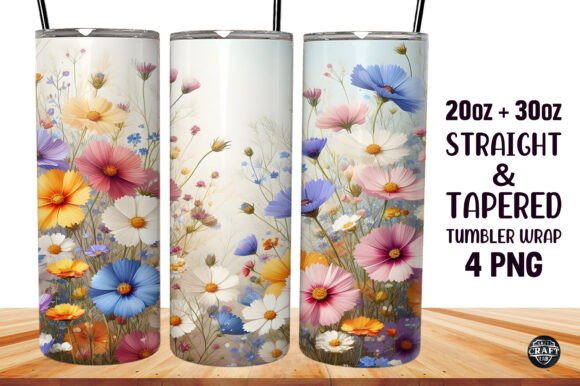
When I'm sourcing digital assets for my shop, the first thing I look for is a clear sense of mood. This Wildflowers Skinny Tumbler Sublimation design immediately gives off a rustic, feminine, and handmade vibe. It’s not overly bold or minimal; it sits comfortably in that decorative, approachable space that appeals to a specific niche—think customers who love cottagecore, spring themes, or a touch of gentle botanical elegance. That visual personality is key. It tells me this isn’t just a generic graphic; it has a character that can attract a particular audience, likely through seasonal collections or themed product bundles.
Initial Use Case and Audience Fit
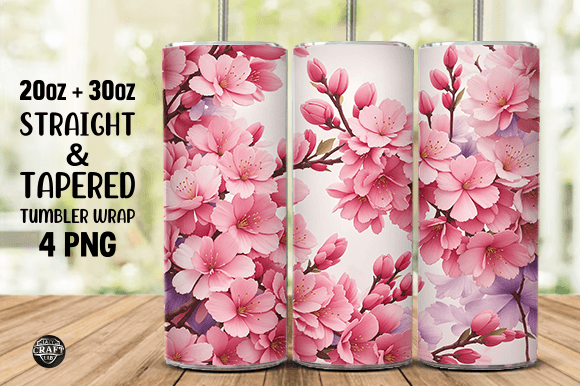
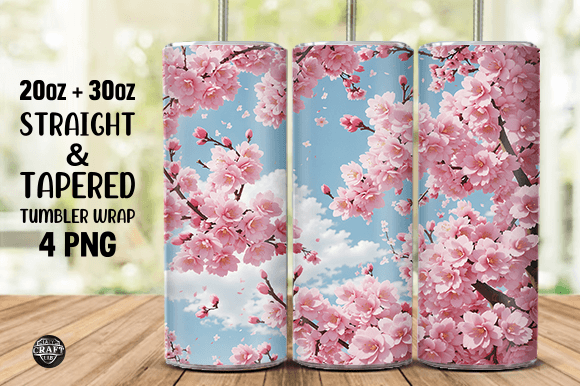
Primarily designed as a 20oz skinny tumbler wrap, this sublimation graphic is, at its core, a commercial design meant for physical products. But as a seller, I’m thinking beyond just a single tumbler. The wildflower illustration style suggests versatility. Before I even publish a listing, I’m considering how this one graphic design asset can be tested across multiple product formats to maximize its value.
My first step would be creating mockups. I’d apply it to the obvious tumbler, but also test it as a t-shirt graphic, a tote bag print, and maybe a mug design. The organic, flowing nature of the wildflowers likely works best on curved surfaces or fabric where the design can wrap naturally. I’d also preview it as printable wall art or within a digital scrapbooking kit to see if the detail holds up at larger sizes. This pre-launch testing is crucial. It reveals whether the asset’s appeal is narrow or broad, helping me decide if I sell it as a standalone item or as part of a larger bundle.
Product Presentation and Thumbnail Appeal
For marketplace listings, the visual presentation is half the battle. A graphic like this can significantly aid in creating attractive mockups, which build customer trust and increase perceived value. I’d use this design to craft clean, focused listing images. On a white mockup, the wildflowers should pop, creating strong visual hierarchy. But I’d also test it on a dark background to ensure the contrast is sufficient—a common oversight that can ruin thumbnail appeal.
Its decorative style makes it a candidate for thematic collections. For instance, pairing this Wildflowers Skinny Tumbler Sublimation with a matching script font for a "Spring Garden" bundle or a sans-serif font for a more modern "Botanical Essentials" pack could enhance brand consistency. This kind of visual storytelling around a single asset helps products look cohesive and professional, boosting click-through potential on platforms like Etsy or Creative Fabrica.
Practical Applications Beyond the Tumbler
The product description mentions it’s a design for skinny tumbler sublimation, with files for both 20oz and 30oz sizes. That’s a good start, but in my shop, I’d frame it as a versatile digital product. Here’s how I might leverage it:
- Sublination Designs: The core use—tumbler wraps, but also for mugs, coasters, or phone cases.
- Printable Products: As a PNG design with transparency, it could be layered into Canva templates for greeting cards, invitation templates, or planner stickers.
- Cricut Projects: If an SVG is included, testing the cut lines is vital for sticker designs, scrapbooking kits, or appliqué for tote bags.
- Digital Paper & Clipart: The illustration could be extracted or repeated to create patterns for digital paper packs or included in clipart bundles.
- Social Media & Branding: Cropped sections could serve as blog graphics or social media templates to promote the product collection itself.
Each application requires a slightly different check. For print-on-demand, I need to verify the file resolution is high enough for large prints. For Cricut users, the SVG needs clean, unbroken paths. For digital download customers, the file organization must be clear and logical.
Where This Asset Works Best
Given its style, this wildflowers graphic excels in specific scenarios:
- Large Product Previews: On full-scale mockups where the floral details can be appreciated.
- Themed Bundles: As part of a spring or garden-themed collection of graphics.
- Decorative Layouts: In products where the design is the main decorative element, not competing with text.
- Merchandise Graphics: On physical goods where a feminine, natural aesthetic is desired.
- Creative Marketplace Listings: Where the mockup itself tells a story of handmade, crafted goods.
Points to Check Before Selling
No graphic is perfect for every use. There are areas where this design should be used carefully, and a few practical seller notes I’d address before listing any products derived from it.
Firstly, the intricate details of the wildflowers might not translate well to tiny sticker designs. The fine lines could get lost or become too fragile for cutting. Similarly, in overly complex layouts or crowded thumbnails, the design could become visually muddy. It likely needs space to breathe.
Before committing, I always run a few tests:
- Test the design on real product mockups in my listing software.
- Preview it as a marketplace thumbnail at a small size to ensure it remains recognizable.
- Check how the colors look on both white and dark backgrounds for contrast.
- If selling physical prints, do a test print to verify color vibrancy.
- For SVG uses, inspect the cut file quality in design software.
- Confirm the commercial licensing terms of the original asset to ensure my finished products are covered.
Font pairing is another consideration for templates. This rustic wildflowers design could pair beautifully with a delicate script font for an elegant feel, or a clean sans-serif for a more modern twist, enhancing its adaptability for different customers.
Supporting a Professional Product Collection
Ultimately, the value of a graphic like the Wildflowers Skinny Tumbler Sublimation lies in how it elevates your overall shop. A single, well-chosen asset can become the cornerstone of a mini-collection, providing brand identity and packaging design cohesion. It allows a small business owner to offer a range of products—from digital downloads like Canva templates to physical merchandise via print-on-demand—without sourcing countless disparate elements.
By thoroughly testing this design across the uses mentioned, I can identify its strengths and limitations. This realistic evaluation prevents over-promising in listings and ensures the final products I sell—whether they are SVG files for crafters, PNGs for bloggers, or sublimation designs for merch creators—are reliable and high-quality. That practical, business-minded approach is what builds a trustworthy handmade business or creative marketplace presence over time.