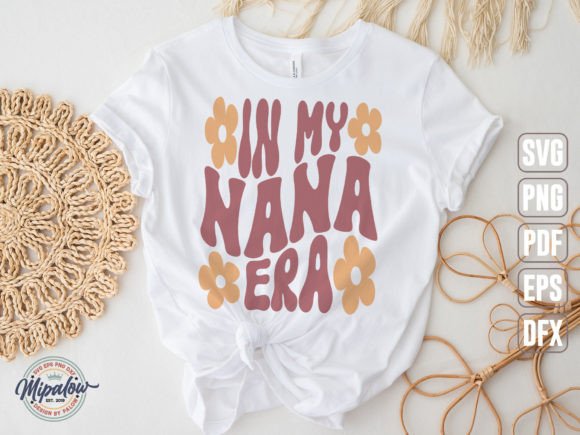
Evaluating the Groovy Nana Era Text for Embroidery Projects
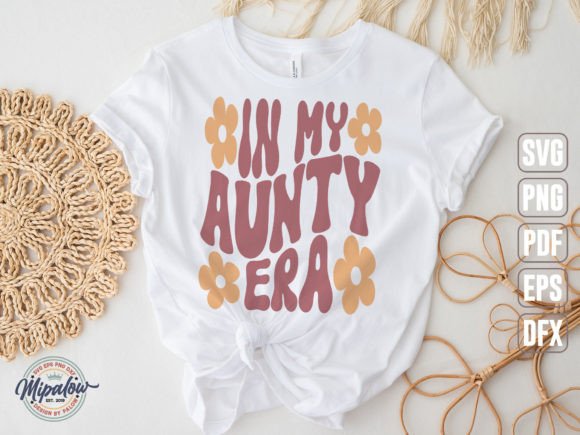
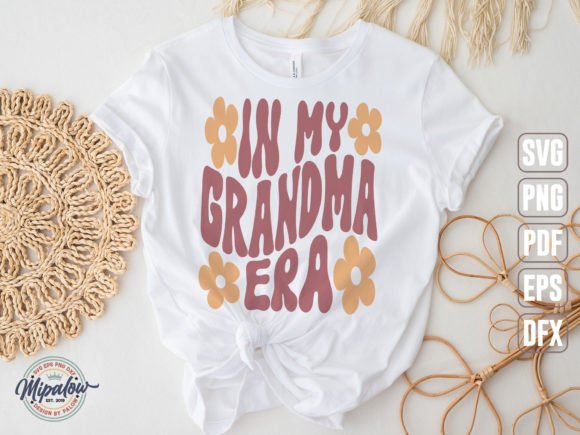
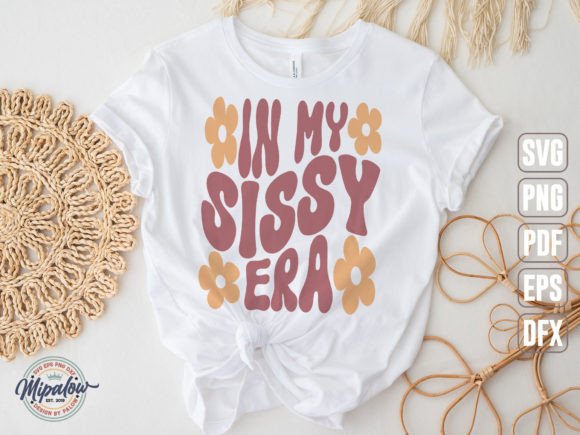
Let’s talk about this In My Nana Era Svg, Groovy Wavy Text design as if it’s sitting in my embroidery software, waiting to be stitched out. I’m looking at it not just as a file, but as a future embroidery project—maybe a tote bag for a craft fair or a custom sweatshirt for a client. The first thing that strikes me is the mood. It’s playful, nostalgic, and incredibly warm. That wavy, flowing text isn’t just a font; it’s a visual personality. It feels relaxed and celebratory, like it’s embracing a fun, grandmotherly confidence without being overly vintage or stiff.
Where This Design Finds Its Perfect Home
I immediately picture this on soft, cozy substrates. A well-made cotton tote bag feels like a natural fit. Imagine stitching this onto a natural canvas tote in a soft peach or sage green thread. The design’s groovy flow would complement the bag’s texture beautifully. For custom apparel, a heavyweight sweatshirt or a relaxed-fit t-shirt would allow the design to breathe. I’d lean towards projects that feel personal and giftable: embroidered patches for a denim jacket, a sweet baby embroidery on a knit blanket, or a kitchen towel for a friend who loves her cozy kitchen era.
This isn’t a design I’d typically choose for a corporate polo or a structured cap. Its personality is too soft and whimsical for that. Instead, it belongs to the world of handmade products and personalized gifts. Think about a boutique selling unique small shop merchandise—this design on a simple apron or a pillow cover would tell a story. It’s perfect for an Etsy seller focusing on joyful, relatable themes.
Navigating the Stitching Practicalities
When I consider the actual machine embroidery process, the wavy text presents both opportunity and a few considerations. The curves are smooth, which is excellent for clean satin stitch lettering or a nice fill stitch if the design is thickened. However, on smaller items like a cap or a delicate baby embroidery on a thin cotton shirt, those graceful curves could become challenging. On a curved surface like a cap, the wavy baseline might distort if not hooped perfectly. For textured fabrics like towels or sweaters, a good stabilizer is non-negotiable to keep those waves crisp.
I would not attempt this on a very small hoop size. The design needs space to maintain its groovy character. Shrinking it down for a tiny corner of a tea towel might compress the waves into a dense, unclear mess. Testing on scrap fabric first is crucial here—you need to see how the stitch density behaves and whether the smallest details, like the interior curves of the letters, remain clear. Thread color contrast is also key. This design, with its friendly vibe, pops best with a good contrast against the background fabric. I’d test it in both light and dark fabric texture mockups before committing.
The Impact on Your Finished Product and Customer
Stitching out the In My Nana Era Svg, Groovy Wavy Text isn’t just about mechanics; it’s about the reaction it gets. On a finished product, this design elevates the item’s perceived value. It feels thoughtful and current. For a customer, it’s instantly recognizable and relatable, which builds customer trust in your craftsmanship. It signals that you understand a lighthearted, popular sentiment.
For your craft business, using such a design consistently on a line of products—say, a series of kitchen linens or lounge wear—can create lovely brand consistency. It’s giftability is high; it feels personal without being overly specific. As an embroidery designer preparing a commercial embroidery project for a client’s small boutique, I’d confidently propose this for a spring collection of tote bags or holiday embroidery gift sets like cozy pillow covers.
Essential Designer Notes Before You Hoop It
My practical checklist before loading this embroidery file would look like this:
- Run a test on a scrap of the actual project fabric. Check for puckering, especially in the denser areas of the wavy text.
- Audit your thread colors. Does the chosen color stand out with enough clarity against your background? A muted thread on a muted fabric might lose the design’s charm.
- Confirm the physical size you intend to stitch. Does it fit your planned hoop size comfortably without needing excessive compression?
- Inspect the design in your software. Zoom in on the details. Are there any tiny corners or junctions that might become a knot of stitches? These might need slight adjustment for your specific machine.
- Consider the product’s lifecycle. If it’s for an item that will need frequent washing, like a kitchen towel or baby item, ensure your stitch settings and stabilizer are robust enough to maintain integrity.
- For digital product sellers creating printable mockups or design assets, this design’s high-resolution nature is a benefit. But remember, you are working with an Illustrations file type. Its success in an embroidery context depends entirely on your conversion and settings.
Most importantly, since this is a Graphics product described as digital files only, you must confirm licensing before selling any finished product or incorporating it into commercial design assets. The listing notes it’s for digital files, so the responsibility is on you to understand the terms for creating and selling embroidered goods with it. Never assume.
A Real-Life Scenario: The Cozy Gift Tote
Let’s walk through a real case. I’m preparing a custom embroidered tote bag as a birthday gift for a friend who embodies this ‘Nana Era’ vibe—she’s all about comfort, gardening, and cozy evenings. I choose a sturdy, oatmeal-colored canvas tote. I want the design to feel integrated, not just slapped on. I select a slightly tonal thread, a dusty rose, for a softer look.
Hooping the bag carefully, I pay extra attention to keeping the area taut and flat. The wavy text is stitched out with a satin stitch border and a light fill. The result is exactly what I hoped for: the design feels embroidered into the bag, not just on it. The waves have a gentle, stitched rhythm that matches the bag’s handmade feel. My friend’s reaction is the ultimate test—she smiles instantly, touches the embroidery, and says it feels ‘just like her.’ That’s the practical success of a good embroidery design: it translates a digital file into a tangible, emotional connection on a handmade product.
In the end, the In My Nana Era Svg, Groovy Wavy Text is more than a set of curves on screen. It’s a design with a specific, joyful character that, when stitched with consideration for fabric, scale, and context, can turn a simple project into a standout piece. It asks you to think about where it will live and how it will be received, which is exactly what a professional embroidery project review should do.