In My Aunty Era: A Groovy Embroidery Review
When a design like In My Aunty Era Svg, Groovy Wavy Text lands in my digital toolbox, I don't just look at the file. I imagine it stitched out on fabric, held in a hoop, hanging on a shelf, or wrapped as a gift. This isn't just a graphic; it's a potential product, a piece of personalized art, and a statement waiting for thread. From the perspective of someone who stitches for clients, sells handmade goods, and constantly evaluates designs for real-world use, here’s my practical take.
The First Impression: Wavy Warmth and Nostalgic Fun
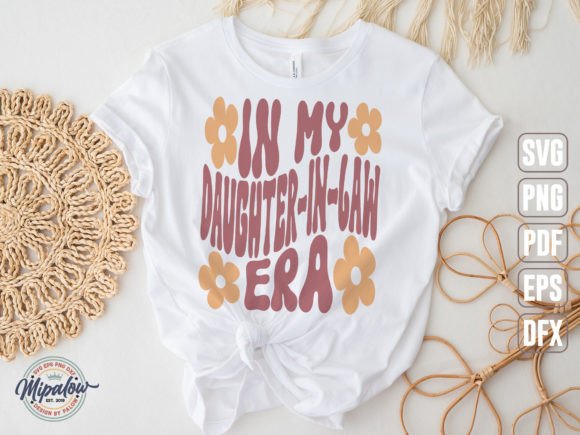
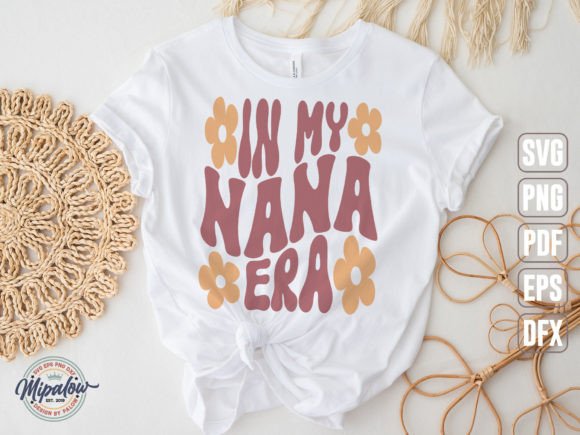
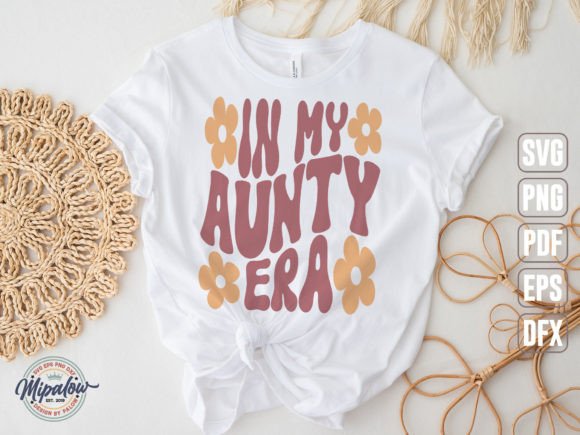
The mood here is instantly playful and warmly nostalgic. The groovy, wavy baseline of the text gives it a relaxed, almost dancing quality—it’s not stern or rigid. "In My Aunty Era" itself carries a tone of affectionate self-identification; it’s celebratory and inclusive. This isn't aggressive branding; it’s a personal badge. The layout is straightforward, which is excellent for embroidery. There’s no overly intricate detail that would vanish under stitches, suggesting a design built for clarity when translated from screen to satin stitch.
It feels like it naturally belongs to projects meant for connection: gifts for a beloved aunt, funny yet sweet apparel for friends, or personalized home items that add a touch of personality. As an embroidery file, its strength lies in that emotional hook, which is so valuable in the craft business world. Customers aren't just buying a decal; they're buying a feeling.
A Real Scenario: Embroidering a Custom Birthday Tote Bag
Picture this: a client requests a special tote bag for her sister’s birthday, a woman who is famously the "fun aunt" to all the kids. She wants something unique, not a generic store gift. I pull up In My Aunty Era Svg, Groovy Wavy Text. On a sturdy canvas tote bag, the wavy text would translate beautifully into a flowing satin stitch outline or a solid fill stitch. The scale is generous enough to be a central feature without overwhelming the bag. I’d likely use bright, cheerful thread colors—maybe a coral pink or a teal—to enhance that groovy vibe. The finished product becomes a usable, personal statement piece, far more meaningful than a printed logo. This is where the design shines: transforming a simple item into a personalized gift with character.
Performance Across Real Embroidery Projects
This design’s versatility is its practical engine. The clean, high-resolution nature suggests it can scale well for different projects without losing integrity.
For custom apparel, like sweatshirts or tees, it offers a modern, casual look. On a heavyweight sweatshirt, the stitch density would need to be adjusted to prevent puckering, but the text’s form is simple enough to handle that well. For baby clothes or baby embroidery on a romper, a smaller, simplified version could be adorable, though the wording is more suited to items for the adults caring for the baby.
It’s excellent for home goods: a pillow cover in a family living room, a kitchen towel for the resident family chef, or nursery decor for the aunt’s own space. As an embroidered patch, it could be ironed onto a denim jacket or backpack, creating a standalone accessory. For small shop merchandise, especially boutiques selling humorous or family-focused goods, this design on a simple apron or a tea towel could become a quick-selling craft fair product.
From a commercial standpoint, it works well in printable mockups for Etsy listings or as a digital product preview for those selling the finished items. The theme is broadly appealing, tapping into family dynamics and self-expression, which drives buyer engagement. It adds visual appeal and a sense of handmade presentation that mass-produced items lack, directly boosting perceived product value.
Where This Design Requires Careful Handling
No design is universally perfect, and practical success means knowing the limits. The "Groovy Wavy Text," while clean, has curves and varying letter heights. On very small hoop sizes, the wavy detail might get lost or become overly dense, making the stitches crowded. Embroidering on highly textured fabrics, like a loose-knit sweater, could obscure the clean lines, demanding a heavier stabilizer.
Dark fabric backgrounds require careful thread color contrast planning; a pastel thread on black might not pop as intended. On curved surfaces like caps, the elongated, wavy baseline might distort if not properly digitized for that specific curvature—this is a test on scrap fabric situation. While there are no tiny, intricate corners, the design's continuity means any thread break or tension issue in a running stitch outline could be visible.
For products needing frequent washing, like household linens or children’s items, ensuring a robust stitch construction with good stabilizer is key to longevity. These aren’t flaws of the design itself, but rather the real-world considerations any professional must apply to ensure customer trust and professionalism in their finished product.
The Impact on Your Business and Craft
Using a design like this effectively affects more than just the stitch. It influences your brand consistency. If your shop specializes in witty, family-oriented gifts, this fits seamlessly, strengthening your niche. Its giftability is high—it feels specific yet not overly narrow, perfect for birthdays, holidays, or just-because presents. The recognition factor is interesting; "Aunty Era" is a relatable modern phrase, likely to catch eyes and spark smiles.
For the embroidery designer or digital product seller, it serves as a reliable design asset. Because it's a vector graphic at a high resolution, it should allow for clean scaling for both small and large embroidery projects. This flexibility is crucial when catering to diverse client requests or building a product line.
Practical Notes Before You Hoop the Fabric
My final advice always comes from the bench. Before running this for a client or a batch of small shop products, do the groundwork.
- Test the design on scrap fabric first, preferably a similar material to your final project. This reveals how the wavy text translates into stitches.
- Check thread color contrast in both light and dark fabric backgrounds. Create simple black and white mockups to visualize the form.
- Review the implied stitch density from the file's visual weight; a very solid fill might need adjustment for lightweight tees.
- Confirm your intended hoop size can accommodate the design at your desired scale without forcing excessive detail compression.
- Inspect the small details in a test stitch—are the curves smooth, are the letters distinct?
- Always use the proper stabilizer for your specific fabric texture; this is non-negotiable for professional results.
- Crucially, check whether the design works for both personal and commercial projects by confirming the licensing terms. The product description states it's for digital files only, but the license for the finished embroidered items you sell must be clear. Never assume.
Ultimately, In My Aunty Era Svg, Groovy Wavy Text is a design with heart and application. It’s not just a set of curves and letters; it’s a concept waiting for thread and a purpose. In the hands of a mindful maker, it can become so much more than a file—a cherished gift, a bestselling product, or simply a perfectly stitched piece of personal joy.