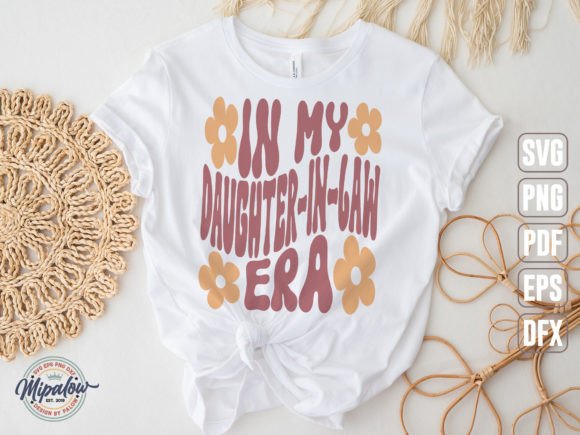
In My Daughter-in-Law Era Groovy Design Review
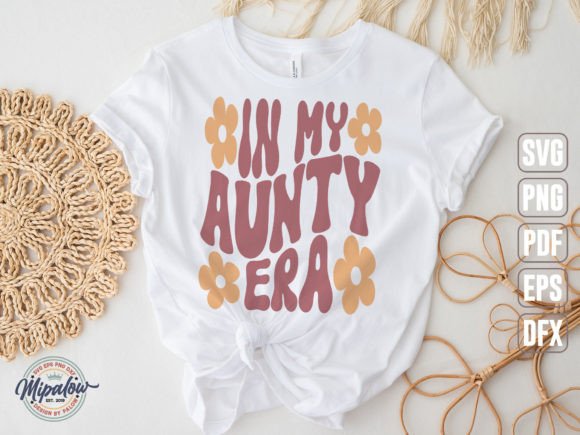
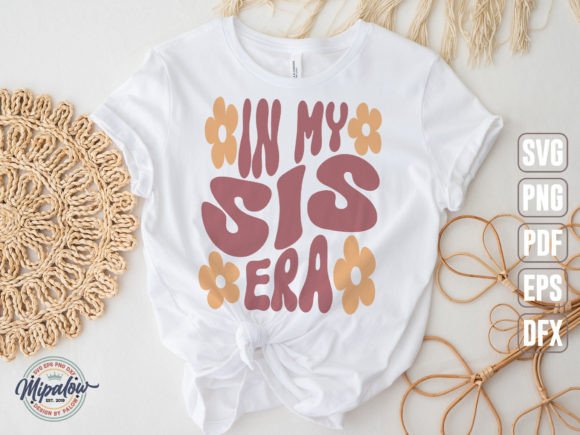
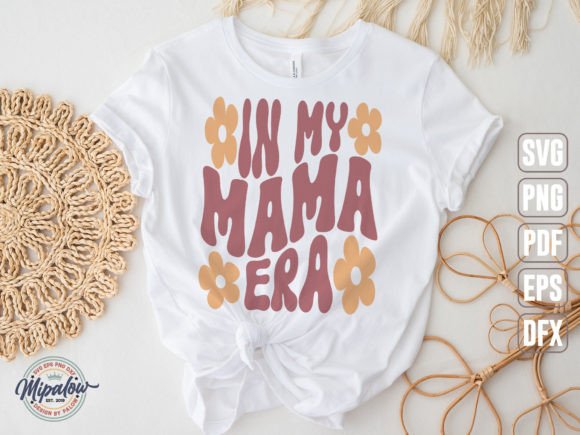
When a new embroidery file lands in my digital library, I immediately picture it stitched onto fabric. My first impression of the In My Daughter-in-Law Era Groovy Wa design is pure, upbeat nostalgia. The playful typography and that groovy, relaxed vibe create a mood of celebration and warmth. It’s not just text; the layout feels like a badge of honor, a fun declaration that would make someone smile. This isn’t a formal monogram—it’s a design with personality, perfect for commemorating a relationship in a lighthearted, stylish way.
The Perfect Project Vibe for Crafters and Clients
I immediately thought of a custom embroidered tote bag. Imagine a well-made canvas bag with this phrase stitched in a cheerful, contrasting thread color. It’s a gift that feels personal and thoughtful, not generic. For small business owners and Etsy sellers, this design translates beautifully into personalized gifts—think anniversary presents, welcome-to-the-family gifts, or even a fun item for a bridal shower. The theme naturally extends to embroidered sweatshirts, aprons, or pillow covers for a cozy home touch. Its visual personality is friendly and inclusive, which boosts the handmade presentation and perceived value of any product you create with it.
Where This Design Excels in Embroidery
In real-life embroidery situations, this embroidery file offers great flexibility. For apparel decorators, it’s a strong candidate for the center of a custom apparel piece like a t-shirt or lightweight sweatshirt. The likely moderate stitch count and open layout mean it won’t become overly dense, making it comfortable to wear. As an embroidered patch, it could be fantastic—applicable to hats, bags, or even baby clothes as a sweet keepsake (though size adjustment would be key). For holiday embroidery or wedding gifts, stitching this onto a nice kitchen towel or a blanket adds that special handmade touch clients love. The high-res nature mentioned suggests it will hold its clarity when scaled, which is crucial for creating consistent small shop products and craft fair products.
Practical Considerations Before Hooping Up
While the mood is spot-on, practical embroidery judgment requires a few checks. The design details, especially any smaller decorative accents or lettering, need attention. On textured fabrics like some sweaters or on dark fabric backgrounds, you’ll need to carefully plan your thread color contrast for readability. I always advise testing on scrap fabric first. This lets you review the actual stitch density and see how tiny details, like possible flourishes in the “groovy” element, translate into satin stitch or fill stitch. For curved surfaces like caps, the design’s width might need adjustment to fit the contour without distortion.
Given this is a digital file for your cutting machine, remember it’s your responsibility to confirm the specifics. Always check the exact hoop size requirements and machine compatibility before starting a client project. Use proper stabilizer for the chosen fabric—a thin or stretchy fabric will need more support to keep those clean lines. And crucially, inspect the licensing. Can you use this digital embroidery file for commercial embroidery projects and sell the finished items? That confirmation is a must for any craft business or digital product seller.
A Scenario: Crafting a Boutique Kitchen Towel
Let’s walk through a real case. I’m preparing a set of embroidered kitchen towels for a boutique’s holiday collection. I choose a high-quality linen towel. The In My Daughter-in-Law Era Groovy Wa design, with its fun theme, fits perfectly as a giftable, conversation-starting item. I’ll likely use a bright, contrasting thread to make it pop. My practical notes: I’ll test it on a scrap of the linen first to see how the fabric texture interacts with the stitch pattern. I’ll also run it through a black and white mockup to ensure the layout is strong even without color, which helps with brand consistency across product photos. A successful stitch here increases customer trust—they see a clean, professional embroidery job on a usable product.
Where to Use This Design Carefully
Some applications require extra thought. On very small hoop sizes, the lettering might become too cramped, losing its groovy charm. If you’re considering it for baby embroidery on a small item, simplify or scale carefully to avoid dense stitch areas that could be stiff. For products that need frequent washing, like everyday apparel, a robust thread choice and secure stitching become paramount. And while the design feels versatile, its specific theme means it’s not a generic graphic; it’s best for products where the message resonates personally, enhancing its giftability and recognition.
Final Designer Notes for Your Project
To wrap up this review, here’s my distilled advice. The In My Daughter-in-Law Era Groovy Wa design is a cheerful, well-themed asset for makers. Its value lies in its mood and applicability to personalized markets. Before you commit it to a final embroidery project, do your due diligence: test, check licensing, and plan your fabric and thread pairing. When stitched well on an appropriate item—a tote, a towel, a sweatshirt—it elevates the finished product, creating engagement and a sense of thoughtful craft. It’s a design that, in the hands of a knowledgeable embroiderer, can turn a simple digital product into a beloved handmade product.